







SEA FREIGHT

At Euro24, we fully understand that global trade requires solutions that combine efficiency, security, and cost optimization. Our sea freight service provides comprehensive organization of both containerized and LCL shipments across key intercontinental routes, executed in cooperation with reputable shipping lines and trusted port partners.

FCL and LCL

FCL and LCL

The ability to transport full containers as well as smaller shipments in a consolidated system, allowing for a comprehensive, tailored solution.

Cost efficiency

Cost efficiency

Sea freight enables the transport of very large volumes of cargo in a single shipment, making it one of the most cost efficient solutions.

Global reach

Global reach

Ability to execute shipments to almost any destination worldwide, supported by an extensive network of trusted operational partners.

What additional services can be included?

Insurance

Insurance

Option to extend coverage tailored to the value of the goods, cargo type, and route length.

Customs clearance

Customs clearance

Support with customs formalities to ensure the process runs smoothly and without delays.

Individual requirements

Individual requirements

The option to extend the service with solutions tailored to your operational requirements.

Intermodal transport

Intermodal transport

Option to integrate multiple modes of transport within a single supply chain.

Fiscal customs clearance

Fiscal customs clearance

The option to carry out fiscal customs clearance in compliance with applicable regulations, including under procedure 33A.

Infrastructure and partnerships

Infrastructure and partnerships

We cooperate with shipping lines, port operators, and agents worldwide.

Comprehensive service

Comprehensive service

We handle the entire logistics process, from cargo pickup to final delivery at the destination.

Shipment security

Shipment security

We use trusted shipping lines and procedures to ensure safety throughout the entire journey.

Professionalism

Professionalism

Our team consists of qualified specialists with many years of experience in the sea freight industry.

Sea Freight

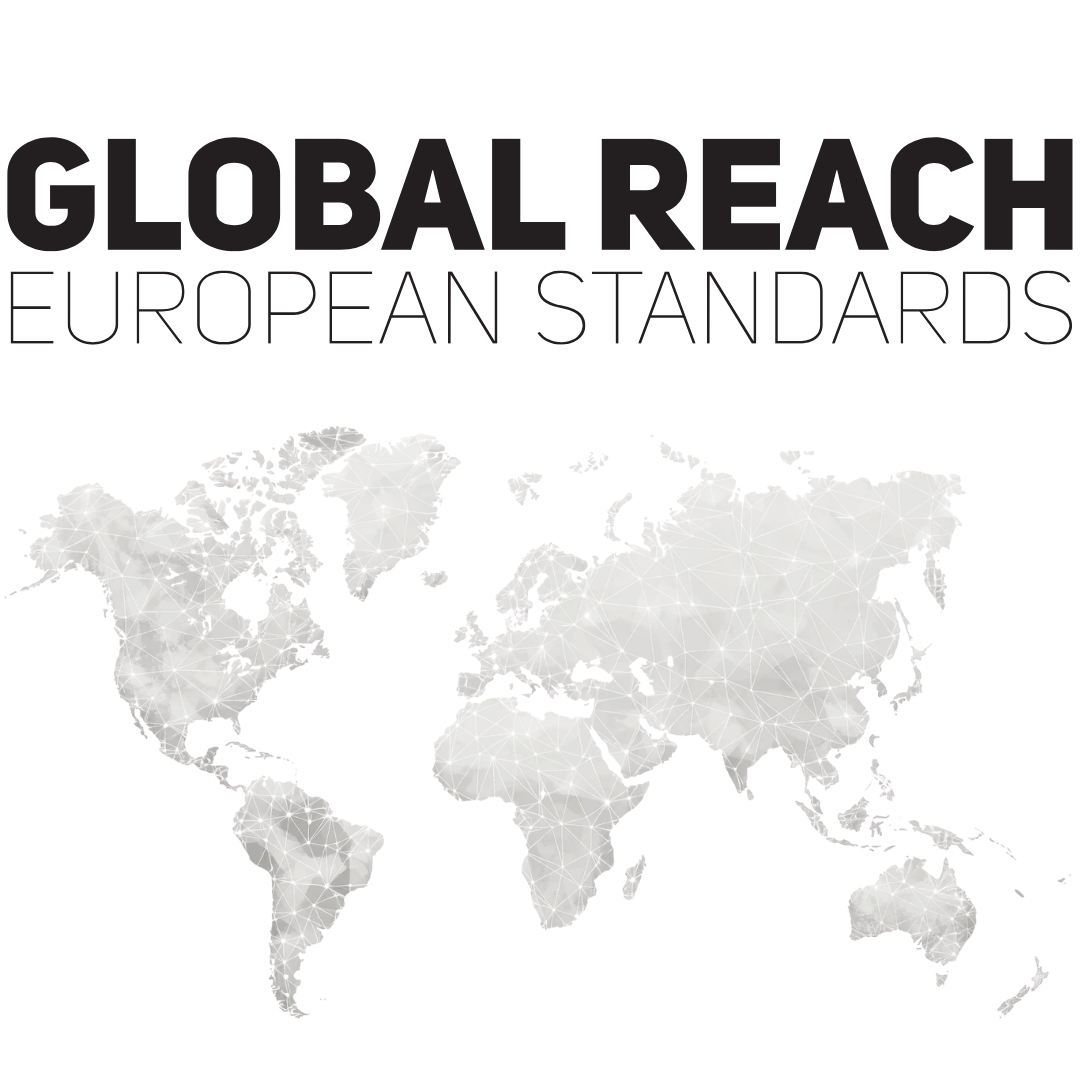
We reach ports all over the world!

Sea freight is based on major trade lanes, where ports such as Gdynia, Gdansk and Hamburg serve as key distribution hubs for the entire continent. Thanks to an extensive partner network, shipments can be handled efficiently across the main global trade routes.

Sea Freight

Sea Transport

By choosing Euro24, you gain not just a transport service, but a comprehensive logistics partner.

Our mission is to transform sea freight into a strategic tool supporting the growth of your business in global markets. We organize cargo transport to ports worldwide, handling both standard containerized shipments and cargo with non standard dimensions or specific requirements. We ensure full coordination at every stage of the process, from cargo collection and delivery to the port of loading, through the ocean voyage, to handling at the port of destination and further distribution. We provide comprehensive customs clearance, advisory on optimal logistics solutions, support of a dedicated account manager, and the option to consolidate cargo from multiple suppliers, enabling more effective planning and improving the efficiency of the entire supply chain.
Sea Freight

Advantages of sea transport

Freight comparison:

ParameterSea FreightRail FreightRoad FreightAir Freight
Transit timeVery longLongShortVery short
Cost (relative)LowLow / MediumMedium / HighHigh
CO2 emissionsLowLowHighVery high

Get a quick quote for your transport

Our experts will prepare a precise calculation with an optimal plan tailored to your needs.

Incoterms conditions

Incoterms conditions

We advise on selecting the appropriate Incoterms conditions in sea freight, helping to match them to the specifics of the transaction, the type of cargo, and the transport route. We precisely define the scope of responsibilities of each party, the division of logistics costs, and the point at which risk transfers between the seller and the buyer.

FCL (Full Container Load)

FCL (Full Container Load)

Full container transport dedicated to a single shipper, where the entire container is used exclusively for one cargo. This solution is particularly effective for larger volumes, where efficient use of space and minimizing the number of handling operations are key.

LCL (Less than Container Load)

LCL (Less than Container Load)

Consolidation of smaller shipments into one container, allowing goods from different shippers to be transported within a single load unit. This solution enables efficient use of container space and significantly reduces transport costs for lower-volume cargo.

Intermodal transport

Intermodal transport

Transport executed using multiple modes within a single, integrated logistics chain, handled by trusted operators. Continuous coordination and tailored transshipment schedules enable efficient planning of deliveries and greater stability across the entire logistics process.

Cross-trade shipments

Cross-trade shipments

Organization of sea transport between third countries without involving ports in the sender’s or receiver’s country. In a cross-trade model, cargo is shipped directly between designated ports worldwide, while the entire logistics process is coordinated by an operator based in another country.

Frequently asked questions:

Is consolidation of cargo from different suppliers possible?

Yes. In sea freight, shipment consolidation is commonly used within LCL transport. It allows smaller cargo to be combined into one container, reducing transport costs and improving space efficiency.

What documents are required in sea freight?

The key document is the Bill of Lading, which confirms receipt of the cargo for transport and serves as a document of title. Depending on the route, additional documents may include a commercial invoice, packing list, certificates of origin, customs documents, and any required permits for special cargo.

What does the cost of sea freight depend on?

Sea freight costs depend on factors such as the route between ports, cargo size and weight, container type, current shipping line rates, and additional port and fuel surcharges. Incoterms conditions and extra services like inland transport or customs clearance also affect the final price.

What are the most common container types in sea freight?

The most commonly used are standard 20’ and 40’ containers, as well as High Cube containers with increased height. For special cargo, reefer containers, open top, or flat rack containers are also used.

Does Euro24 provide customs clearance?

As part of our sea freight services, we provide comprehensive import and export customs clearance. We handle full documentation preparation, including the commercial invoice, packing list, and Bill of Lading, as well as customs declarations and duty settlements. This ensures your cargo moves smoothly across borders without unnecessary delays.

Can I insure my cargo in sea freight?

We offer cargo insurance tailored to the type of goods and shipment value. We recommend applying it to every sea freight shipment.

What goods can be transported by sea?

Sea transport allows the shipment of nearly all types of cargo, including consumer goods, industrial products, machinery, raw materials, chemicals (with appropriate certifications), food (in refrigerated containers), construction materials, and oversized cargo (breakbulk or project cargo). Dangerous goods (IMO/IMDG) require specialized documentation and transport conditions, handled by our experts.

How can I get a sea freight quote?

Send an inquiry via the website form or contact our sea freight expert directly. To prepare an accurate quote, we need key details such as the place of loading and delivery, type of cargo (description, weight, volume or dimensions), required shipping date, and preferred transport mode (FCL or LCL).

ecovadis