Blog
Food Industry Trends and Food Transport
If you manage logistics in the food industry, you know this scenario well: increasingly shorter lead times, pressure to maintain temperature, rising sanitary requirements and virtually zero room for error.
In this article, we show what is really reshaping the European food market, how these changes affect logistics, and why food transport operators are now facing an entirely new set of challenges.
The European food market is growing
Why food transport is under increasing pressure
Food trade in Europe is currently one of the most dynamic market segments. In 2024 alone, EU agri-food exports exceeded €234 billion, while imports approached €195 billion [1]. On top of that, millions of tonnes of coffee, cocoa, fruit and nuts reach European warehouses and stores every year [2].
In practice, this means one thing: every sixth transport operation in the EU involves food [2]. Any error in temperature, documentation or timing can cost more than the value of the entire shipment. Short shelf life, strict temperature requirements and rigorous sanitary and documentation standards make food transport one of the most operationally demanding segments of the TSL market. It requires precision and full process transparency.

Global food trends and their impact on food transport in Europe
The market is growing, but what truly transforms logistics happens at the consumer level. In recent years, preferences have shifted in ways that directly affect supply chains.
HEALTH
SNACKING

COMFORT FOOD
PRIVATE LABEL
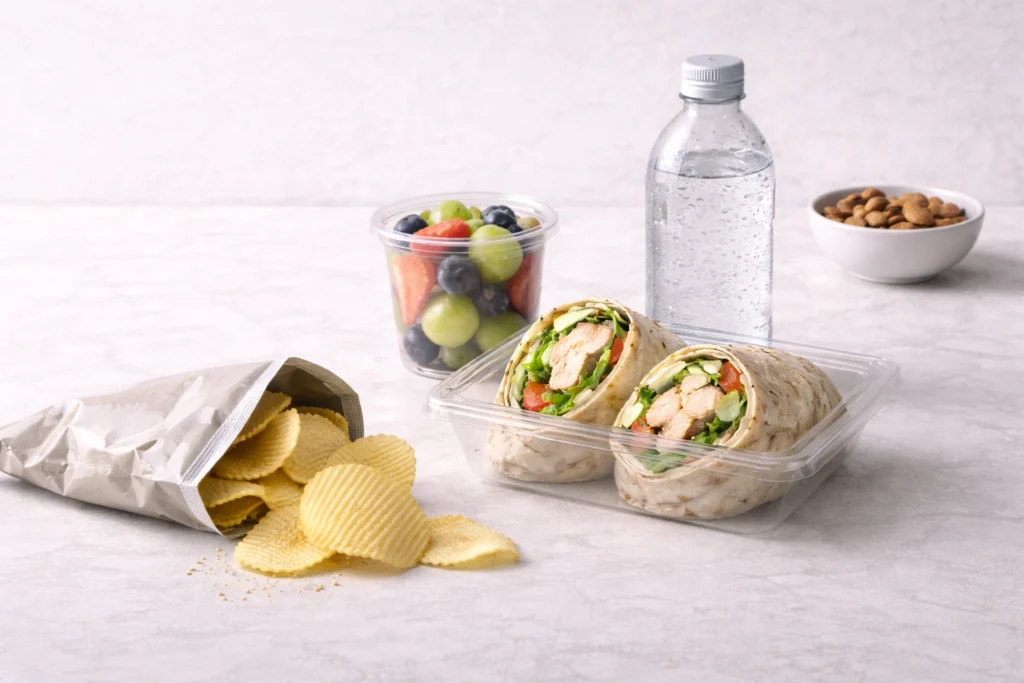
FOOD-TO-GO
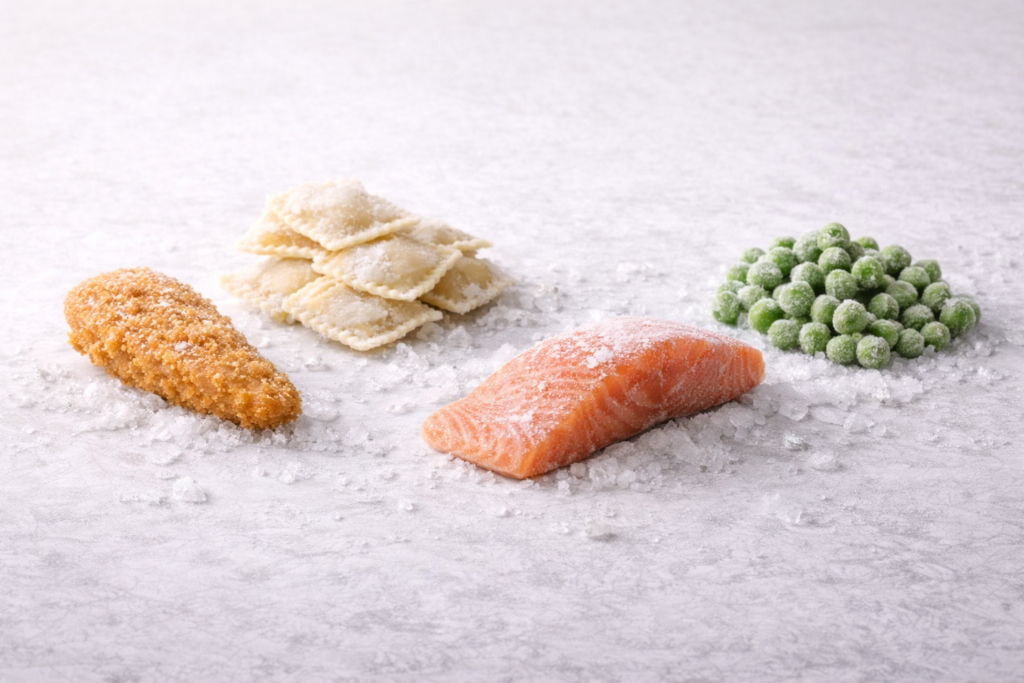
FREEZER FINE DINING
HEALTH as the leading food trend in Europe
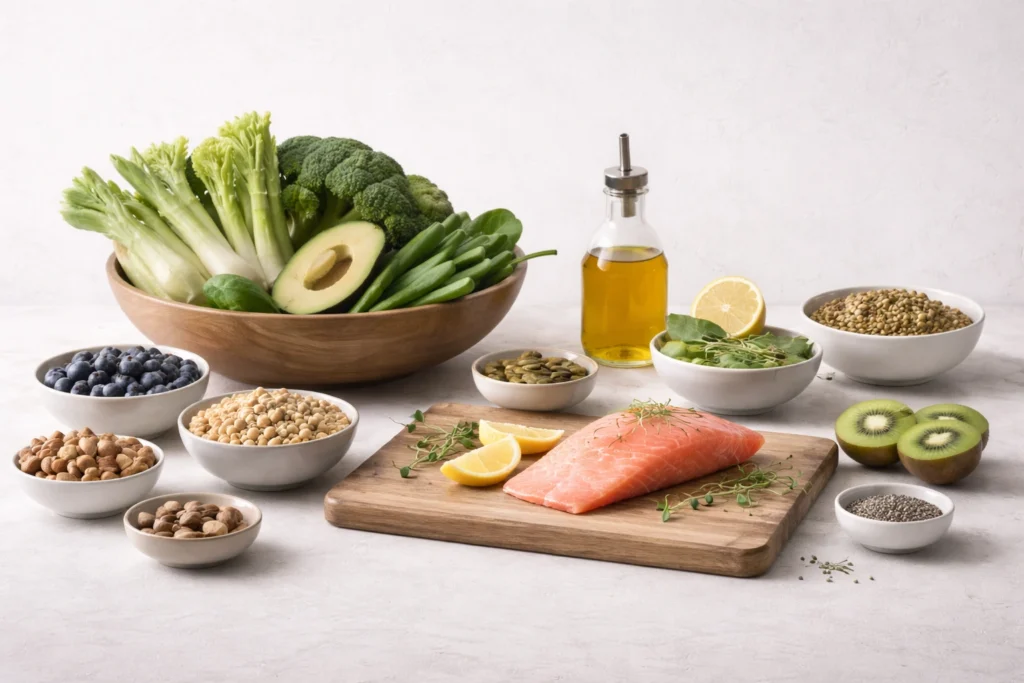
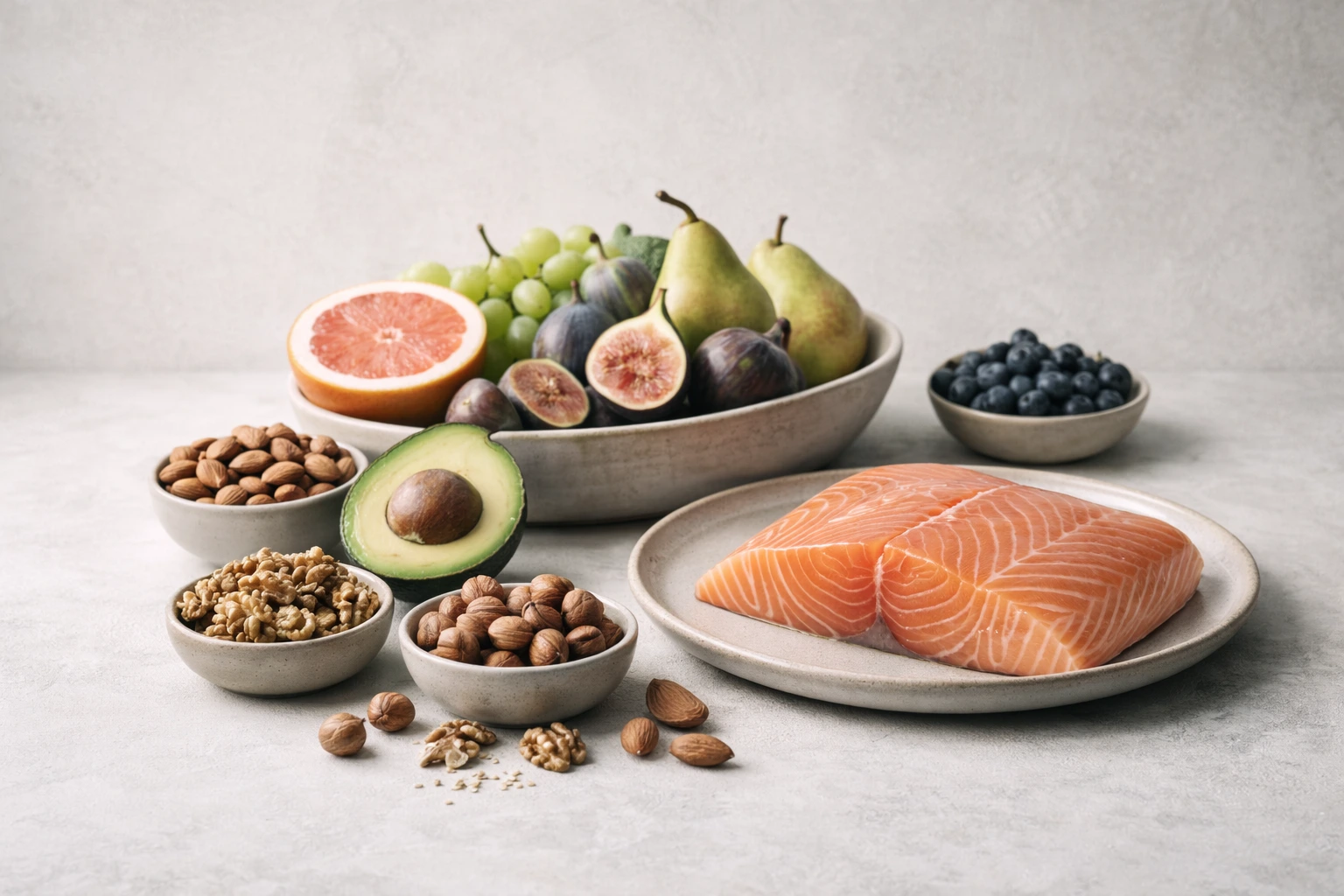
Health has become the primary filter through which consumers view their entire shopping basket. More people consciously choose nutrient-dense, fibre-rich foods such as avocados, fatty fish, fruit and nuts, rather than focusing solely on restrictive diets [3]. There is a clear shift from “elimination” to building sustainable habits: reducing sugar, avoiding refined oils and choosing naturally nutritious foods. This move toward balance is especially visible among Gen Z [4], which widely follows the 80/20 principle: 80% nutritious food, 20% pleasure. Alcohol consumption is also declining: 30% of young adults drink less than a year ago, and 13% have stopped altogether [5].

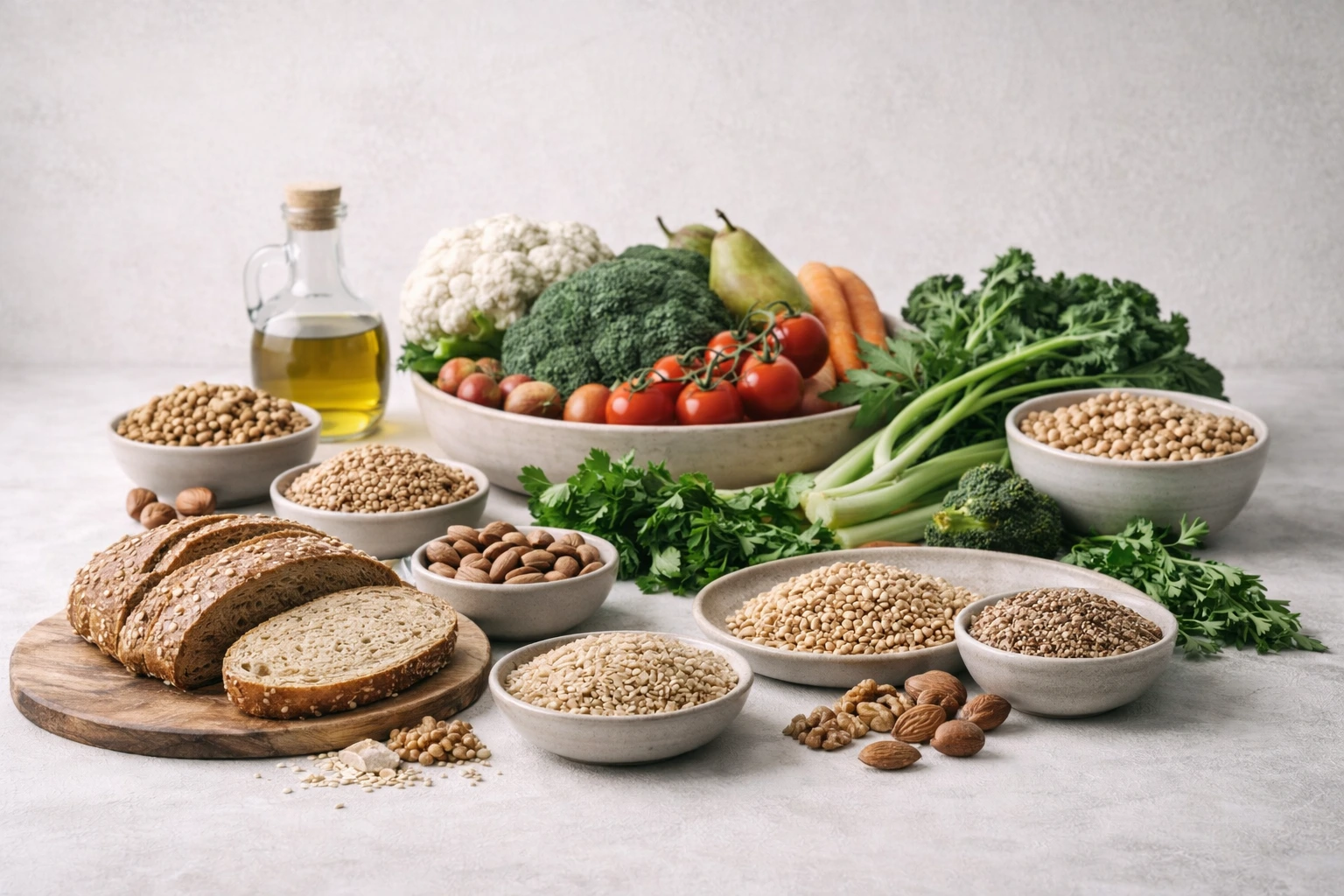
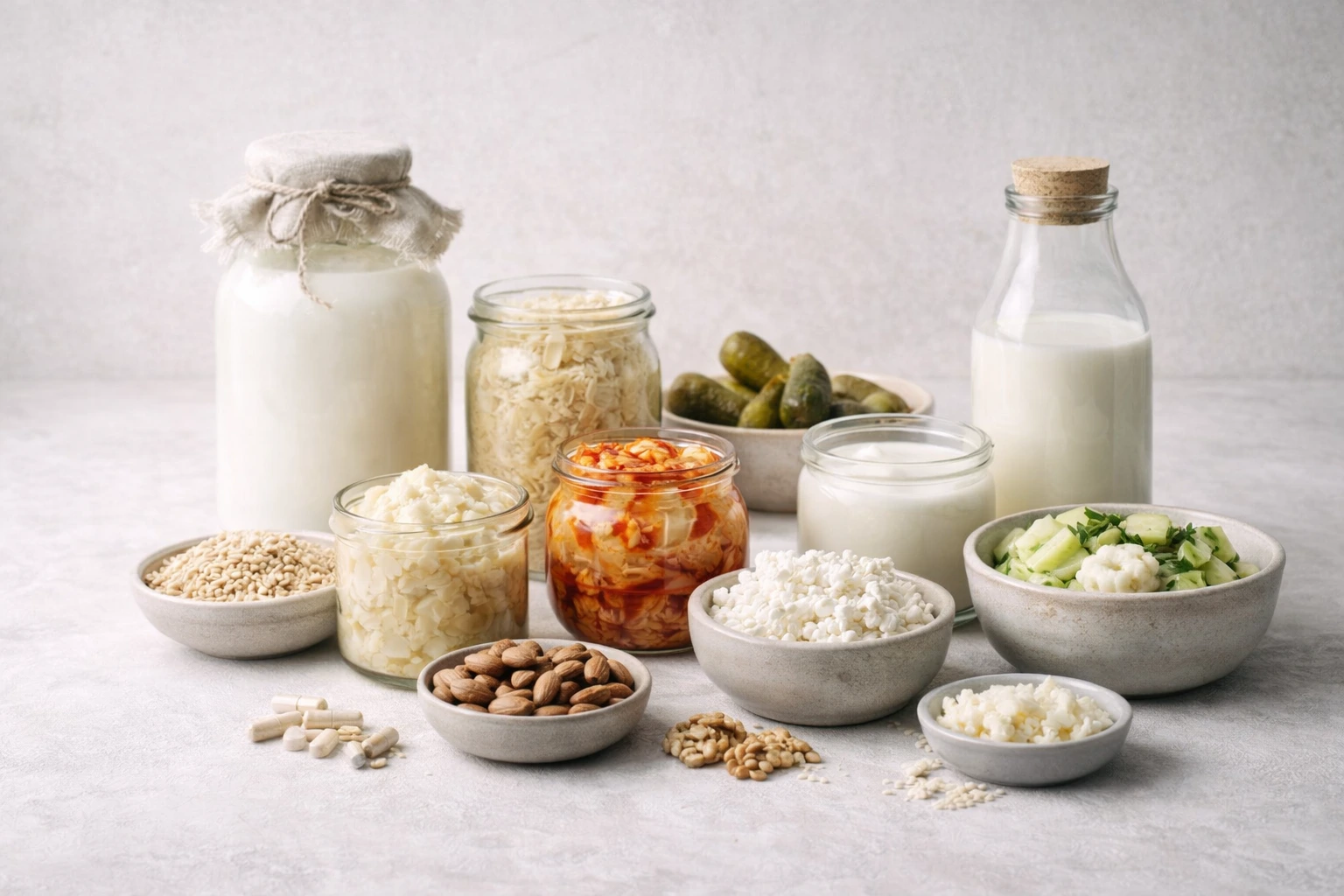
At the same time, interest in microbiome-supporting diets is growing [6]. Probiotics, fermented foods and “gut-friendly” products are becoming everyday health choices. This aligns naturally with the mindful eating trend – slower, more conscious eating focused on taste, texture and bodily signals [7]. Research shows that such practices can improve well-being, increase meal satisfaction, and help reduce emotional eating. Growing health awareness is only one side of the coin. At the same time, attitudes toward plant-based products are evolving. A trend that for years drove retail shelves is beginning to slow down… though not entirely.
The slowdown of the plant-based trend
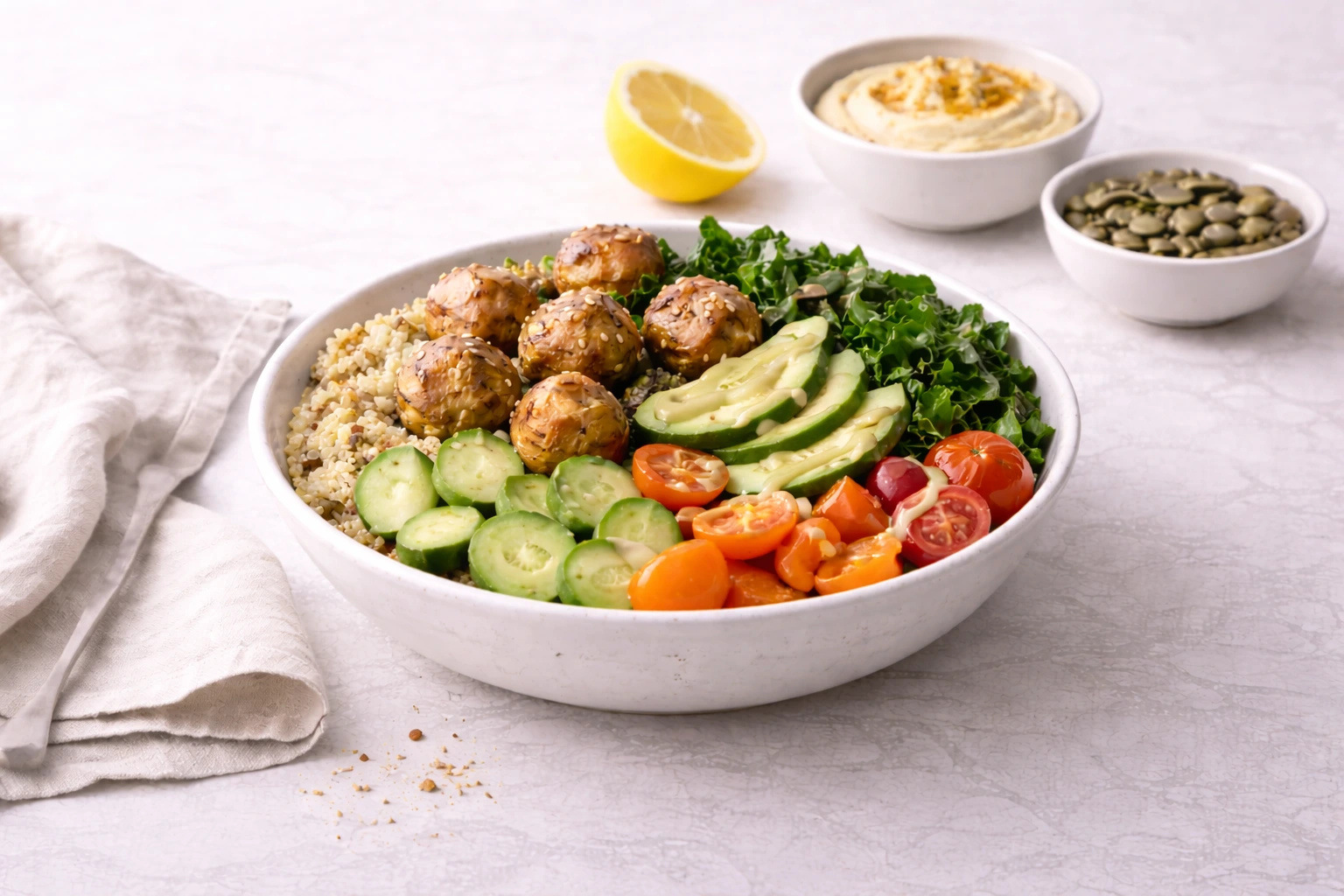
In Anglo-Saxon markets, clear signs of slowing interest in fully plant-based products are visible [8]. In 2024, 19% of young adults in the UK increased meat consumption again [9], while in the US the share of people avoiding meat dropped from 37% to 22%. This shift has also affected the foodservice market. Some well-known vegan restaurants have closed, and sales growth of plant-based meat alternatives has weakened significantly. It is worth noting, however, that this trend does not translate directly to continental Europe [10]. Here, the plant-based segment has stabilised rather than collapsed [11], suggesting market maturation rather than decline. That said, this does not mean consumers are returning en masse to traditional products. Quite the opposite: their choices are becoming more “portion-based.” This is where the boom in snacking comes from, fundamentally reshaping the way food is produced and distributed.
SNACKING and logistics requirements in Europe
The snacking trend is clearly reshaping today’s shopping basket. Store shelves are increasingly filled with “mini versions” of well-known products, and turnover in this category continues to grow month by month. No wonder – 91% of consumers say they eat at least one snack a day, and more than 60% reach for snacks two times or more [12]. Smaller, regular portions are becoming a simple way for many people to maintain a “healthy balance” without giving up on taste.
As a result, demand for portioned, high-quality snacks with formulations aligned with the “better-for-you” trend is growing rapidly. The market is responding at speed. Brands are expanding product lines in smaller, easier-to-control formats: for example, Magnum introduced Magnum Bites – mini ice creams in single pieces [13] – while Milka is broadening its range with “one-portion” snacks such as Mini Cookies or Choco Minis, designed for quick and convenient snacking. Products like these perfectly address the needs of consumers who want to combine eating pleasure with a more mindful approach to diet. Today, the “mini” segment is among the fastest-growing categories and is becoming one of the key development directions attracting increasing investment from manufacturers.
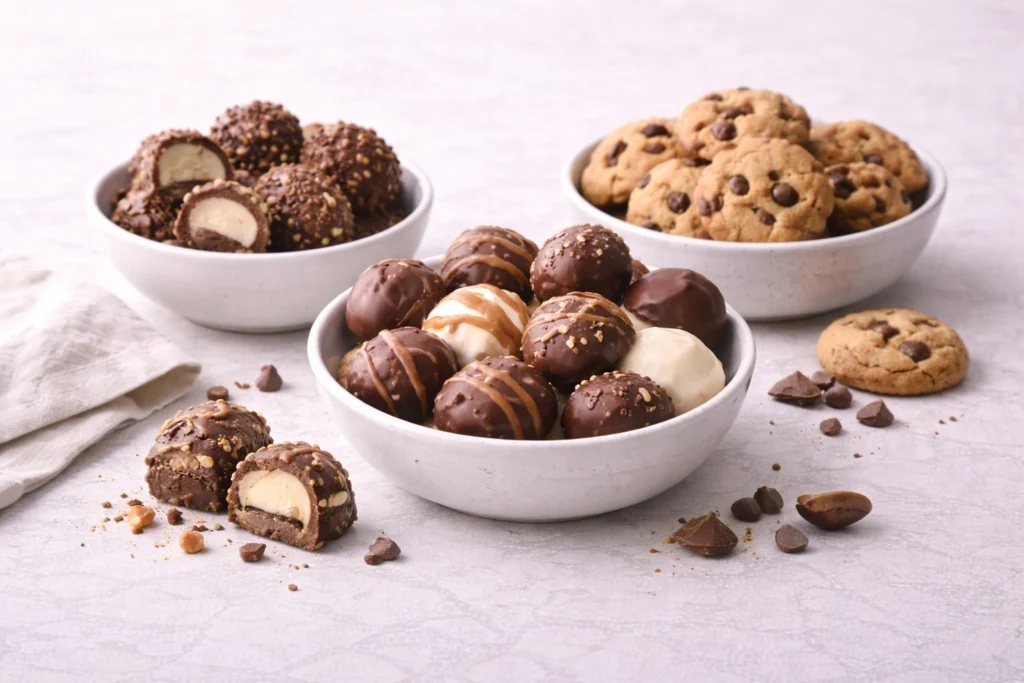

In logistics, this translates into a higher number of SKUs, faster product turnover, and more frequent deliveries in smaller batches. Operators must adapt their systems to handle products with short life cycles and high volume variability efficiently and at scale.
Global culinary trends – how they are reshaping food transport in Europe
As snacking becomes part of everyday life, openness to flavors from outside Europe is also growing. This brings us to another trend that has a major impact on imports and supply chains.
COMFORT FOOD: exotic flavors and nostalgia
World cuisines are becoming one of the fastest-growing segments of the food market [4]. Consumers are increasingly drawn to bold, authentic flavors. The popularity of Korean, Malaysian, and Peruvian cuisines is on the rise, and global inspirations are making their way more confidently onto retail shelves as well as into foodservice.
Interestingly, this turn toward exotic flavors is developing alongside a second, seemingly opposite trend: a growing longing for simplicity and “the flavors of childhood” [12]. In many European countries, a clear return to local and traditional dishes can be observed.
Although the popularity of world cuisines and the return to traditional dishes may seem like opposing trends, both are built on a shared foundation: comfort food. This is food created for taste and enjoyment, not for macronutrient targets or nutritional value. Such dishes stimulate the release of dopamine and serotonin, responding directly to consumers’ emotional needs. Comfort food is also deeply rooted in the culinary traditions of different cultures.
The need for food as a source of comfort is reinforced by another phenomenon: the growing popularity of food sharing [4]. Ordering several dishes “for the table,” sampling a variety of flavors, and enjoying shared culinary experiences are becoming an important part of modern food culture. In practice, this means the market is growing in two distinct yet equally strong directions. Exotic flavors and nostalgia coexist, and consumers move fluidly between the two depending on the situation, mood, and occasion.
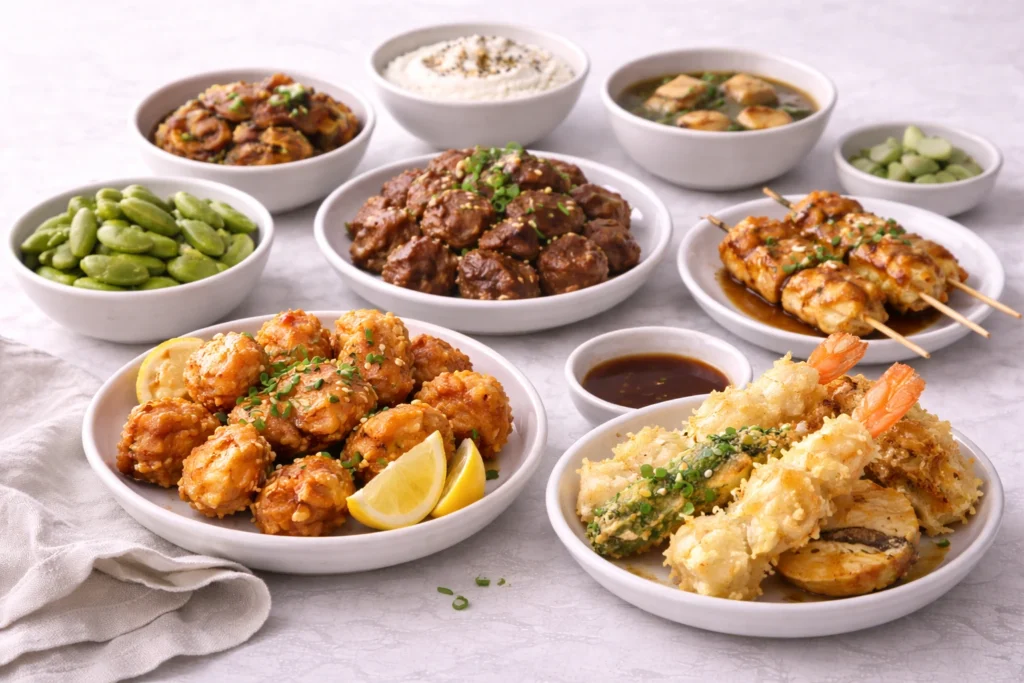
Greater product diversity brings more complex logistics requirements. Multiple temperature zones, strict sanitary standards, and more frequent, precisely timed deliveries are now essential, especially as retail chains expand their assortments to include fresh and exotic products.
Changes in taste preferences and eating habits are opening the door to a major shift on the production side. Products on store shelves look very different today than they did five years ago. This is most evident in the growing strength of private labels, the rapid expansion of the food-to-go category, and the fast improvement in quality within the frozen food segment. This is where the transformation of brands and entire product categories is truly beginning.
Private label as a driver of change in retail strategies and food transport
The share of private label brands in the food market is increasing year by year. According to forecasts, it could reach 40 to 42 percent by 2030 [14]. The premium private label segment is growing particularly fast and has become a strategic tool for retailers to build margins and customer loyalty. It is positioned as a full-fledged alternative to leading branded products.
Why premium private label is growing the fastest
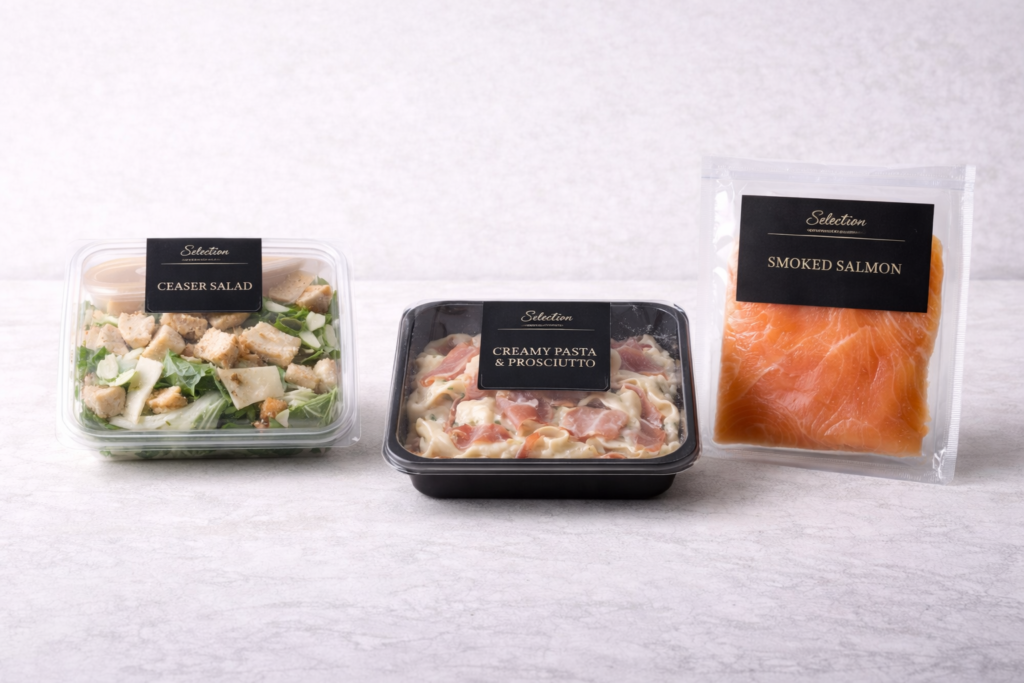
This is where the biggest shift is most visible. Premium private label products offer higher quality, refined recipes, and attractive packaging design, while still remaining cheaper than manufacturer brands. As a result, consumers increasingly see them as the best value for money. A good example is lines such as Carrefour Selection, along with comparable premium private label ranges offered by other European retail chains.
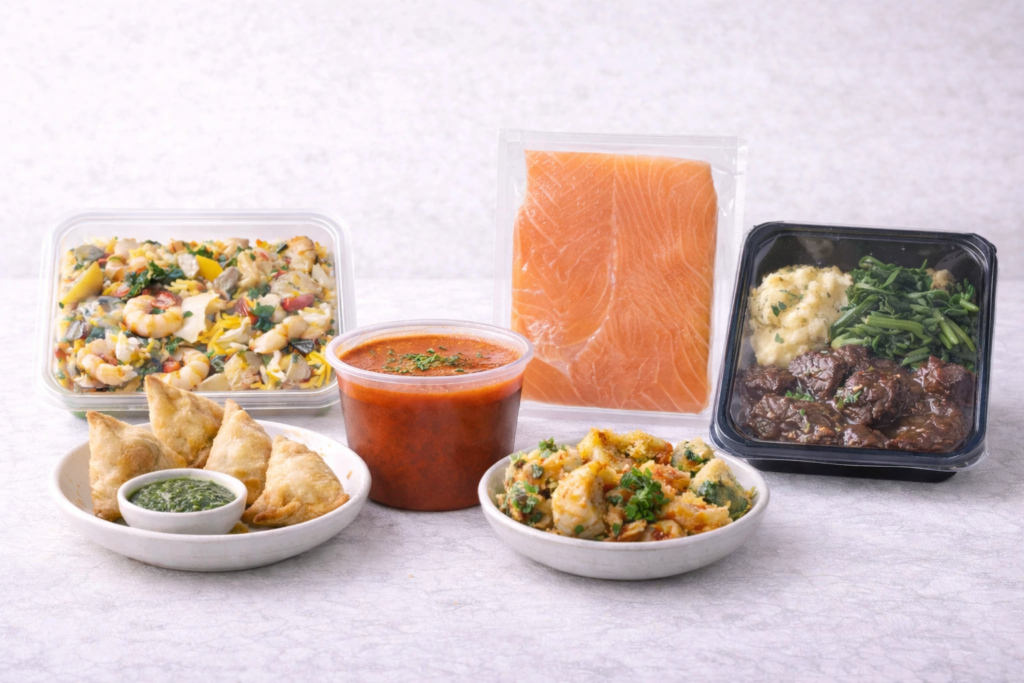
What do these changes mean for food transport?

Higher quality requirements

Shorter delivery windows

Greater pressure on reliability and consistency
At the same time, food-to-go is clearly gaining importance as a response to a faster pace of life and the growing demand for maximum convenience.
FOOD-TO-GO: A new daily rhythm and the need for quick meals
Food-to-go has become one of the most dynamic segments of the food market today [15], driven primarily by lifestyle changes such as hybrid work, greater mobility, and the expectation that meals should be convenient and time-efficient. Small, handy portions make it possible to eat “on the go” while still doing so well and mindfully.
In the United Kingdom, meal deals have become a symbol of this trend. These lunch sets are available, among others, at Sainsbury’s, Tesco, Boots, and M&S. For a fixed, attractive price, consumers choose a main item such as a sandwich, wrap, salad, or sushi box, a drink ranging from water and juices to kombucha or energy drinks, and a snack like crisps, a bar, fruit, or a protein yogurt. Putting the set together takes only seconds, and the result is a “proper lunch” at a fraction of the cost of eating out. In Poland, a similar role is increasingly played by ready-made lunch sets at Żabka or portioned meals at Lidl, although in the UK market this concept has reached a scale that has made it an integral part of everyday life. Complementing this eating style are functional products [16], which many consumers use as a way to “balance out” a quick meal. If lunch is less nutritious, they can easily add a high-protein drink, an adaptogen bar, or a kombucha to the set.
From a logistics perspective, the food-to-go category requires more frequent, smaller deliveries and faster picking of short-shelf-life products. This demands a high level of operational flexibility and strict quality control.
Store + foodservice
The boundaries between retail and foodservice are becoming increasingly blurred, especially in the United States and the United Kingdom, where supermarkets now feature ramen bars or sushi counters. The “store + foodservice” model is emerging as a natural extension of food-to-go and responds to the expectation that good food should be as readily available as everyday grocery staples [17].
Changes in daily routines and eating preferences are also reshaping choices made at home. Alongside food-to-go, consumers are paying growing attention to products that make it possible to prepare a tasty and convenient meal quickly. This is where another chapter of change in the food market begins. Frozen foods, once associated with a “last-resort option,” are now undergoing one of the most significant transformations in the category’s history.
Freezer Fine Dining, or premium frozen foods
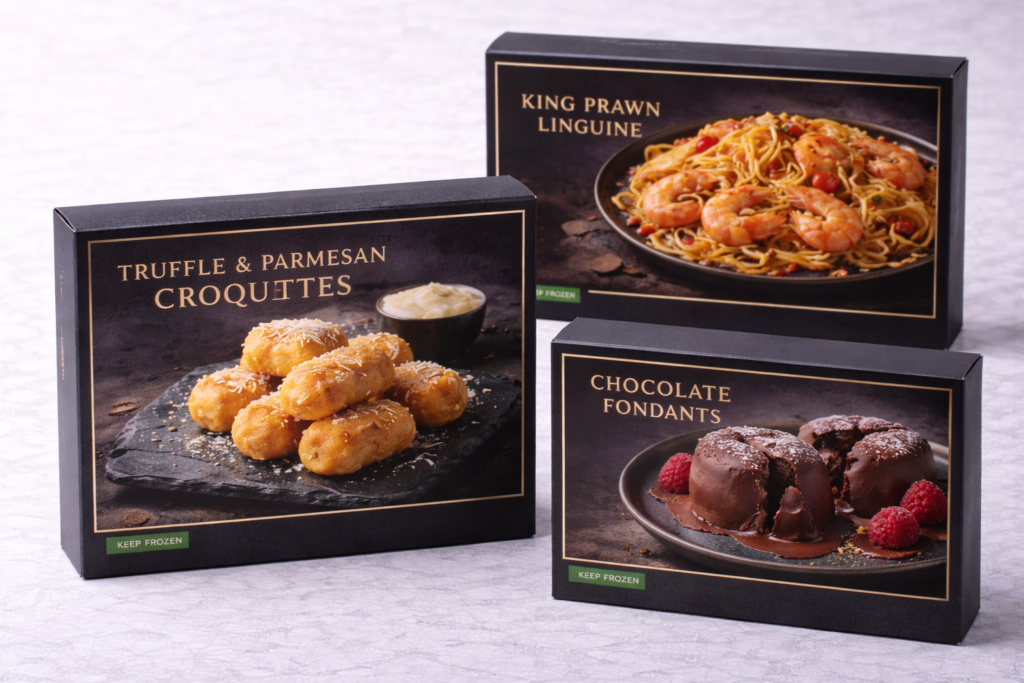
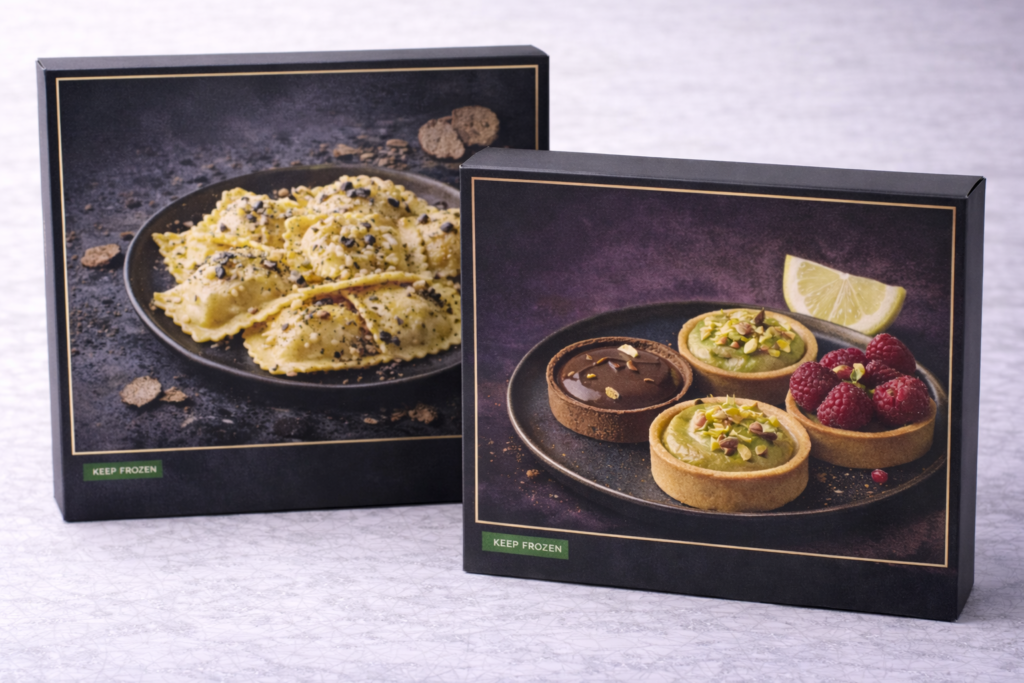
Manufacturers are investing more and more heavily in the quality of frozen meals, and the results are clearly visible on store shelves. The range increasingly includes heat-and-eat dishes that can be prepared in just a few minutes yet taste far better than their counterparts from a few years ago. Ingredient lists are simpler, recipes more refined, and frozen food is losing its image as a “just-in-case” solution.
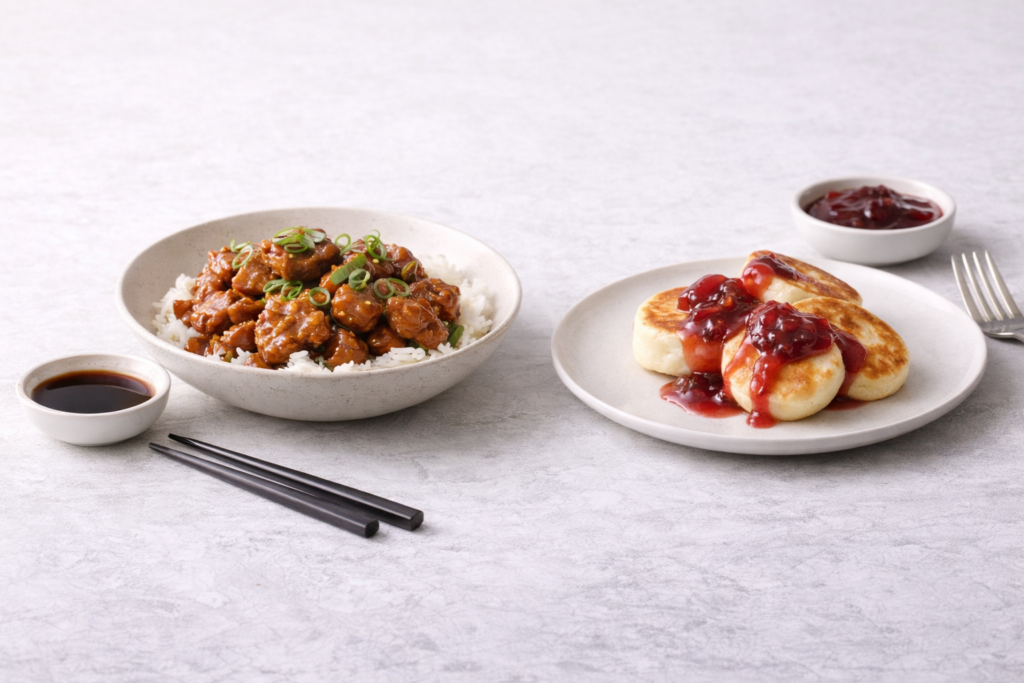
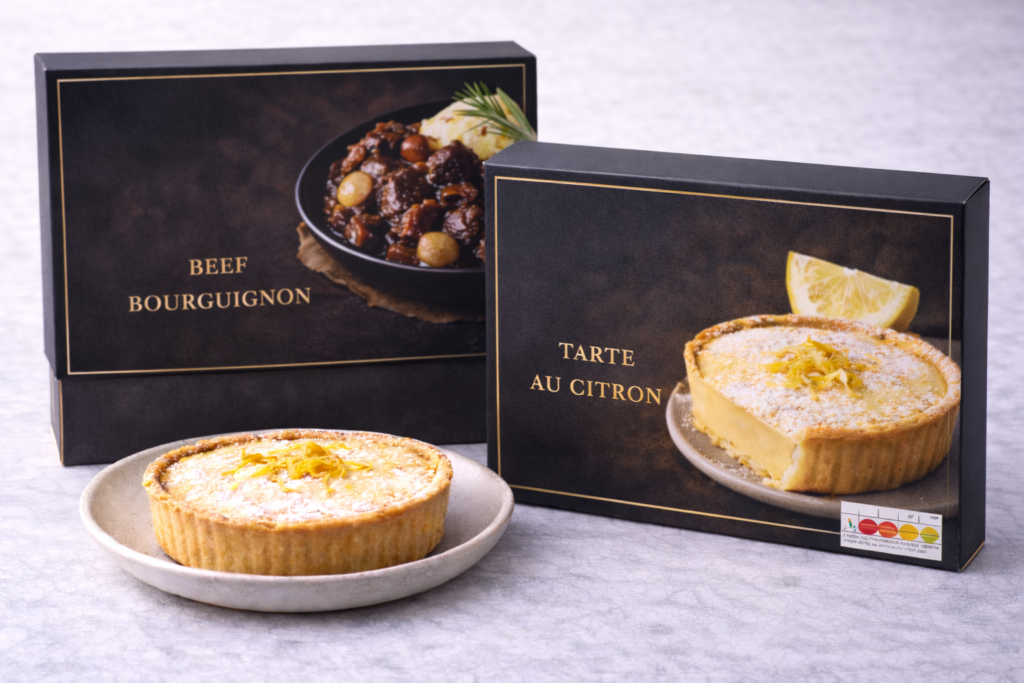
This shift is giving rise to what is known as “Freezer Fine Dining.” In practice, it means frozen meals are beginning to rival restaurant dishes in terms of flavor and overall culinary experience [16]. Today’s freezers no longer hold only classic dumplings or vegetables. They now feature truffle ravioli, pizzas inspired by Italian trattorias, premium desserts such as cannelloni and tartlets, or Mexican-style dishes. This trend is clearly reflected in the assortments of retailers like Marks & Spencerwith its “Gastropub” range, as well as the French chain Picard (notable examples include frozen Beef Bourguignon or Tarte au Citron from M&S.).
ECONOMIC AND GEOPOLITICAL PRESSURE
Even the best product will not reach store shelves if it cannot withstand market turbulence. And the food sector has seen plenty of it in recent years, from cocoa prices and Arabica coffee to geopolitical disruptions.
Commodity price volatility and its impact on producers
The cocoa market is one of the clearest examples of today’s instability. In 2024, prices rose by more than 250 percent due to poor harvests in West Africa, tree diseases, and a growing scale of illegal trade. As a result, chocolate manufacturers increased prices, with effects felt across the global market. Although cocoa prices are beginning to stabilise, inventories remain around 25 percent lower than a year earlier, making stock rebuilding a key priority for the industry [18]. A similar scenario has played out in coffee. In 2024, Arabica prices increased by around 29 percent, reaching their highest levels in years. At the same time, production in Brazil and Vietnam fell by roughly 12 percent due to extreme weather conditions. Higher transport and processing costs further complicated stable purchasing planning for importers.
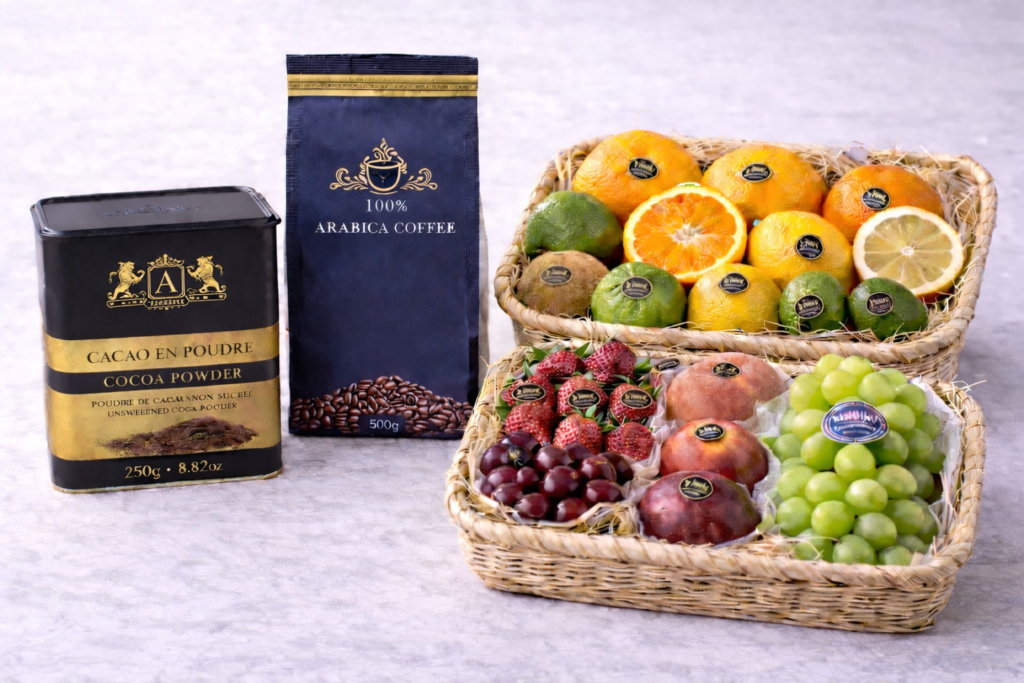
Price volatility is also visible in other segments. Citrus prices in the EU can rise seasonally by as much as 20 percent, mainly due to frosts in southern Europe and rising energy costs. Instability is also affecting the vegetable oils market, where price fluctuations of 15 to 25 percent stem from both geopolitical tensions around the Black Sea and export restrictions.
Implications for the market and consumers
Such a high level of price uncertainty translates into rising production costs, greater operational risk, and more challenging supply planning. For consumers, it means increased price volatility on store shelves and a shift toward categories that offer a stronger sense of cost stability, such as private labels, frozen products, or larger, value-oriented formats.
Disruptions on global routes and their impact on transport

On the China–Europe route, anti-dumping duties and various export restrictions remain in place, pushing up packaging costs. At the same time, supply chain delays are increasing due to instability on key maritime routes. Disruptions in the Red Sea and around the Suez Canal are driving up food transport costs and can extend transit times by several weeks. For segments dealing with short-shelf-life products, this is particularly challenging, as each additional day in transit represents a real risk of loss.

These pressures are compounded by internal EU regulations such as the Green Deal, Fit for 55, and new requirements for supply chain transparency, including CSRD and CSDDD. On one hand, they raise production and distribution costs. On the other, they require more detailed reporting and oversight.
In short, food companies need to improve risk forecasting in food imports, have alternative routes and suppliers in place, respond faster to change, and rely on systems that provide full visibility of operations and cargo status at every stage of transport.
Why exchange rates are changing the real cost of imports
A weak euro against the US dollar, currently at one of its lowest levels in years, means higher purchase costs for commodities priced in USD, such as coffee and cocoa. With this currency relationship, even small exchange rate movements quickly translate into retail prices, especially in low-margin sectors. As a result, food manufacturers, distributors, and retail chains are operating under increased cost pressure. Spending on raw materials, energy, transport, and regulatory compliance is rising, while price planning has become far more challenging than it was just a few years ago. In addition, exchange rate risk complicates rate negotiations and supply planning, affecting the stability of the entire logistics chain.

In this environment, logistics operators must secure costs, shorten response times, and increase process transparency at the same time. Retail chains expect stable deliveries despite a volatile macroeconomic landscape and more frequent supply chain disruptions.
To minimise risk, companies are increasingly relying on technological solutions. This allows them to respond faster to change and base decisions on up-to-date operational data.
Technologies shaping modern food transport
Consumers want to know that the products they put in their baskets are safe and come from verified sources. This growing expectation of full transparency is driving the importance of technologies that track goods throughout their journey.
RFID and a new approach to traceability
RFID (radio-frequency identification) is one of the most established technologies used in logistics. Although its origins date back to the 1940s, when it was used for “friend or foe” identification in military aviation, today it is widely applied in retail anti-theft systems, ski passes, and payment cards. Using the EPC C1G2 standard, RFID enables fast, remote reading of tags, making it a key tool in modern warehouse and logistics operations.
IoT and real-time temperature monitoring

IoT sensors monitor critical transport parameters such as temperature and humidity in real time. Data collected from these devices creates a complete record of the shipment and forms part of quality documentation, confirming that products were transported in line with required standards. This approach is closely linked to ISO 22000 requirements, which define a food safety management system based on risk analysis, effective communication across the supply chain, and a set of prerequisite programs that ensure product safety from production through distribution. ISO 22000 also requires continuous process monitoring and validation. In practice, telemetry and IoT solutions are essential to meet audit requirements and ensure full operational transparency across the entire food supply chain.
Food logistics is an environment where many elements must work in sync. Products have short shelf lives, so handling often takes place within a 1 to 24 hour window. There is no room for delays or long stops. Every stage of transport must be precisely planned, as the margin for error is minimal.

At Euro24, temperature and location monitoring technologies are an integral part of daily operations. They allow for immediate response and ensure compliance with ATP, HACCP, and ISO 22000 standards at every stage of transport.
Food transport: sanitary requirements
At such a demanding pace, sanitary conditions are just as critical as timing. In food transport, real risks include odor transfer, contact with allergens, and temperature deviations during transit. In the case of dairy products, a single temperature breach outside ATP limits may require the disposal of the entire shipment. For fruit transport, even a few hours above the allowed temperature can shorten shelf life by several days, which for retail chains usually results in the immediate return of the batch.
The most serious consequences arise from allergen contamination. This is not only a health risk but also a legal obligation to withdraw the product from the market. The costs of such operations, from disposal and reverse logistics to commercial losses and reputational damage, often run into hundreds of thousands of euros.
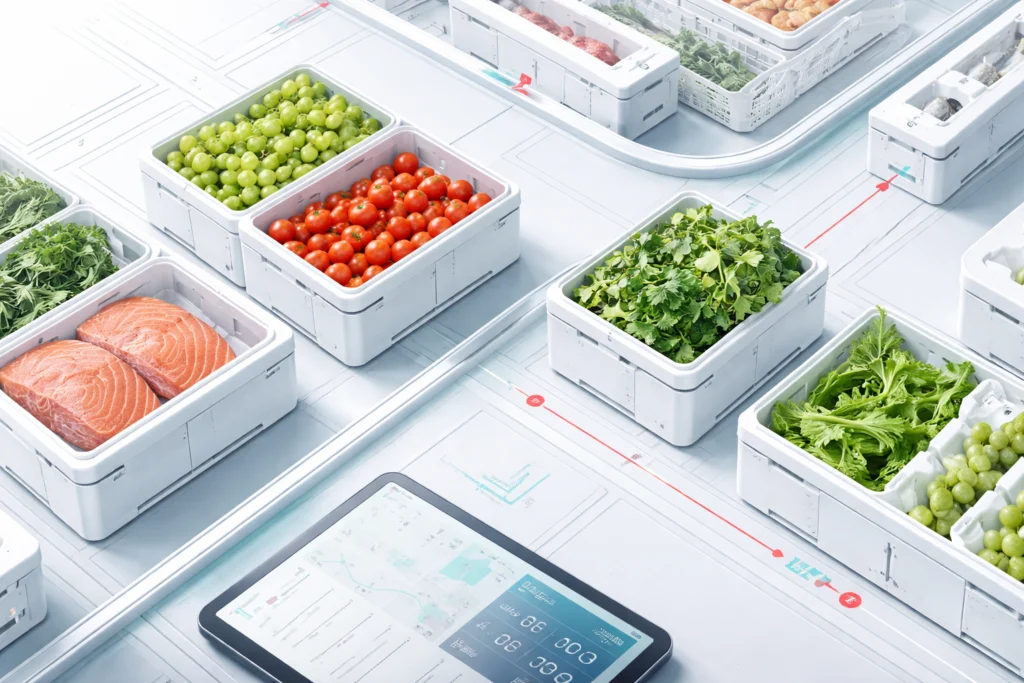

For this reason, both fleet equipment and operating procedures must comply with ATP requirements and the high hygiene standards typical of the food industry. These include full washing and disinfection cycles, control of organic residues, protection against cross-contamination, and documentation confirming that every stage has been carried out in line with requirements. Such measures form part of broader food safety systems such as HACCP, ISO 22000, and DDD, all aimed at minimising operational risk and preventing costly non-compliance.
In food transport, even a small temperature deviation can shorten a product’s shelf life or make disposal necessary. That is why cleaning, disinfection, and cross-contamination control procedures must be carried out consistently and documented in line with ATP, HACCP, and ISO 22000 requirements.
Compliance with transport regulations
The agreement specifies, among other things:
- permissible temperature ranges for different types of goods,
- technical requirements for insulated bodies and refrigeration units,
- the necessity of periodic calibration of equipment.
More requirements from retail chains, fewer available staff
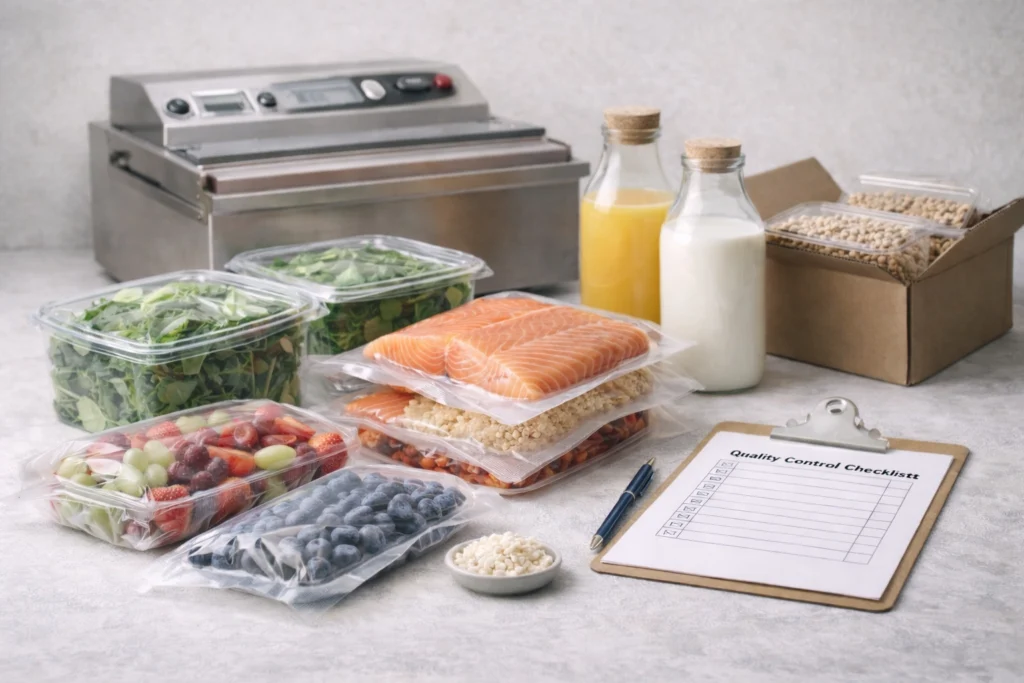
At the same time, the number of requirements imposed by retail chains continues to grow. Today, they expect not only on-time delivery but also value-added services such as co-packing, labeling, or the preparation of promotional bundles. An additional layer of complexity comes from the labor market. Companies are facing staff shortages and a growing need for specific skills, particularly in quality control and IT operations. This is a secondary issue compared to consumer trends, but a very real one in the day-to-day functioning of supply chains. The combination of high expectations from retail chains and a simultaneous shortage of qualified specialists means that logistics operators must automate processes, standardize VAS activities, and invest in training in order to maintain service quality in a fast-changing environment.
IMPLICATIONS FOR LOGISTICS AND TRANSPORT
The cold chain as the foundation of modern food transport
New product categories require stable temperature control
The new food landscape, including fresh products, ready meals, premium frozen foods, and functional foods, is built on one core principle: temperature control. Today, it is the cold chain that determines whether a product reaches the store in the condition intended by the manufacturer.
Transport with controlled temperature
Temperature-controlled transport for the food industry ensures stable and safe conditions for fresh products, frozen goods and premium items that are sensitive to even the slightest temperature fluctuations. We provide precise parameter control, continuous monitoring and complete quality oversight so food maintains its freshness, structure and properties from loading to delivery.
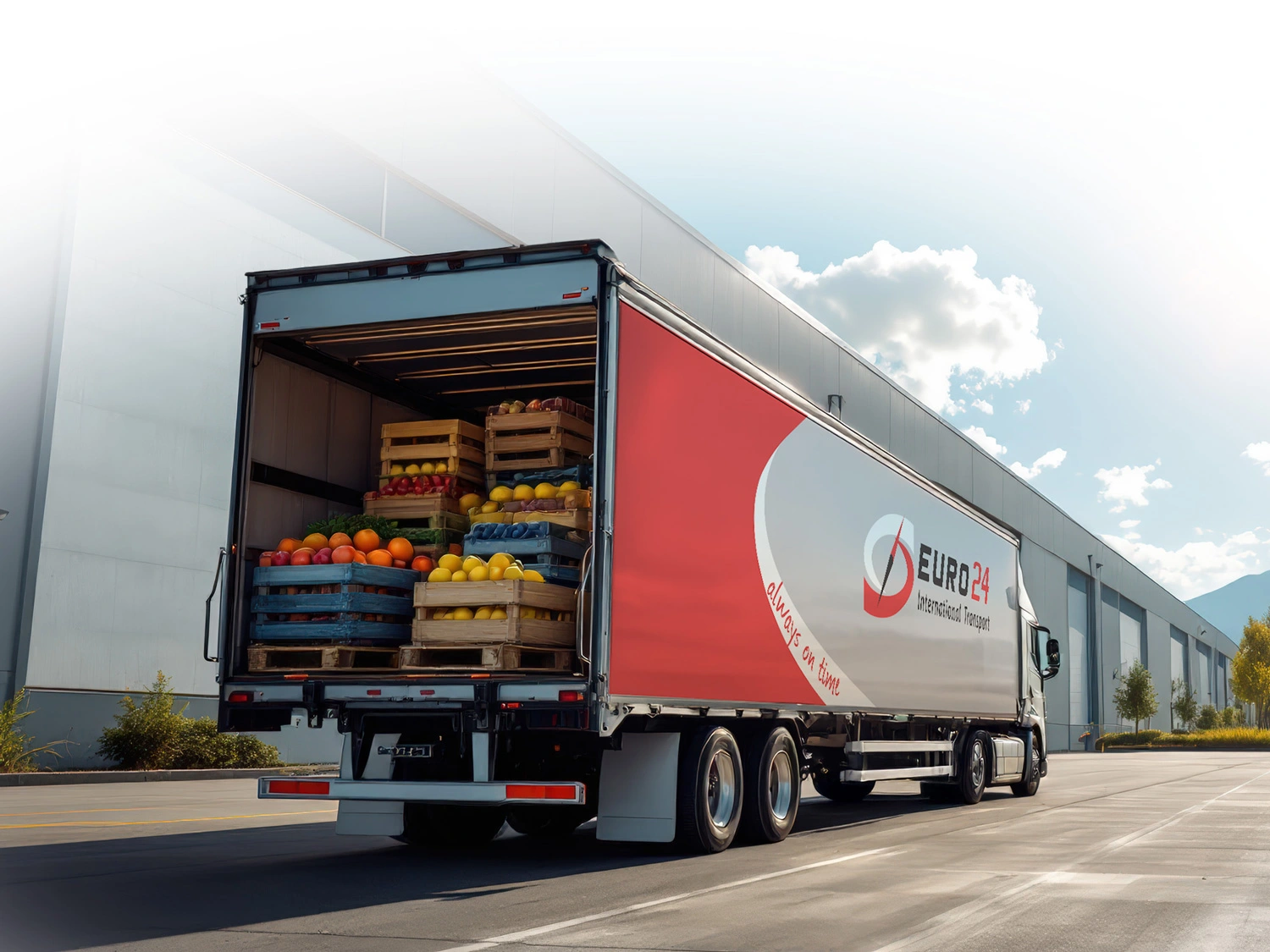
And it is not just about refrigerated vehicles. An increasing share of food categories requires precisely defined transport conditions. This applies to dairy products, fruit, juices, hummus, heat-and-eat meals, and premium private label products alike.
In many cases, just one hour above the permitted 10°C is enough for a product to lose quality or become non-compliant. That is why food transport today operates with virtually no margin for error.
What does “zero margin for error” mean in the transport of fresh products?

It means, among other things, 24/7 monitoring of temperature and humidity, supported by IoT telemetry with real-time alerts. At the same time, the nature of the frozen food category itself is changing. Products with quality comparable to restaurant cuisine require stable, low temperatures from production all the way to the store. New product trends, from fresh foods to premium frozen meals, are making the cold chain a central element of food transport. This is no longer an “optional refrigerated solution,” but infrastructure that determines whether a product can exist on the shelf at all.
New operational requirements in food transport
Why retailers order more often, but in smaller quantities
Changing shopping behaviors and a growing number of SKUs are forcing operators to move away from the model of “large volumes, infrequent deliveries” toward one based on “high frequency, smaller batches.”
New eating habits, including more fresh products, the growing popularity of small-portion snacks, and fast turnover in food-to-go categories, mean that stores need deliveries more often, but in smaller quantities. Instead of one large weekly shipment, retailers increasingly rely on several smaller deliveries aligned with actual sales.
More SKUs, shorter runs, faster turnover
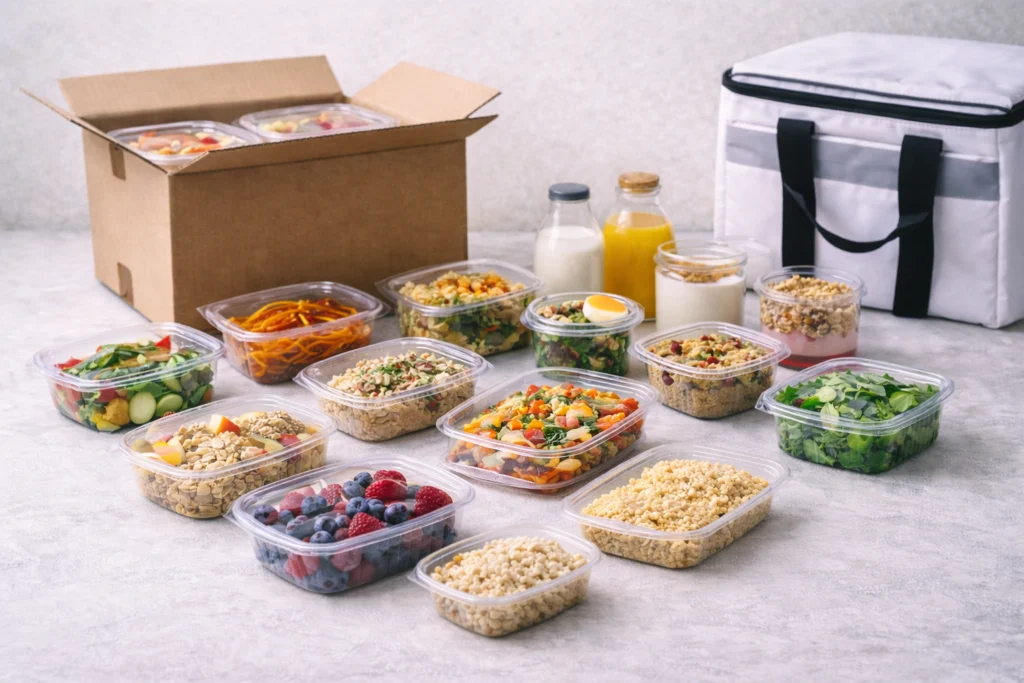
For logistics operators, this represents a very different way of working than just a few years ago. Warehouses now handle far more product variants, with increasingly diverse formats ranging from mini snack bars to single-serve micro salads. Each of these products must be processed, prepared for shipment, and delivered on time. Order picking in food logistics has therefore become more demanding. It is no longer about moving large pallets of identical goods, but about managing hundreds of small, fast-rotating items. As a result, the time between order and delivery is becoming shorter and shorter.
Guarantee safe deliveries
Every stage of transport must comply with strict regulations and high safety standards. It is essential not only to deliver the cargo on time but also to maintain the correct transport conditions such as temperature integrity and cleanliness and to ensure full compliance with the documentation.
Fresh and semi-prepared products have their own pace of life, which means logistics must operate faster and with greater precision. Dispatch and delivery must closely follow real-time store sales.
E-commerce and omnichannel as new challenges for food transport
Micro-warehouses, rapid delivery, new systems

Food logistics now supports both brick-and-mortar stores and online orders. In large cities, micro-warehouses are emerging to enable rapid deliveries, allowing couriers to deliver groceries within 15 to 60 minutes. This requires new tools and systems. Warehouse management systems must integrate with e-commerce platforms, while transport management systems must automatically adjust routes and delivery times. In last-mile delivery, it is critical to know whether the product arrived in good condition and at the correct temperature.
Integration of online and offline processes
Offline and online retail are increasingly operating as a single organism, and logistics must act as the connective tissue between sales channels. For transport operations, this means handling deliveries with very high speed and time predictability, as well as full data integration across all sales channels.
Traceability and digitalisation as standards in modern food transport
What visibility standards look like in the food industry
Today, retail chains want to see the full history of a product, from the moment it leaves the manufacturer’s warehouse to delivery to the store or end customer. This is driven both by regulations and by growing consumer expectations around safety and transparency. In food transport, standard practice includes vehicle washing and disinfection before loading, thorough inspections in line with ATP and HACCP requirements, and continuous temperature recording at every stage of transport.
IoT and RFID devices are now fundamental to cooperation within the food industry. A logistics operator must be able to answer key questions:

Where is the cargo?

At what temperature was it transported?

Were there any incidents or deviations during transit?
Control Towers, acting as supply chain monitoring hubs, make it possible to respond to deviations in real time before they turn into problems. Around-the-clock monitoring is becoming the standard.
Transport is just the beginning: the growing role of VAS in food logistics
Today’s logistics operator no longer delivers “just the goods.” Many activities that were once handled at store level, such as repacking or separating allergen-containing products, have now moved into logistics operations. During peak demand periods like December, retailer expectations increase severalfold, covering tasks such as preparing seasonal bundles, applying promotional or holiday labels, and repacking. In addition, the private label segment in Europe continues to impose ever higher operational and quality standards.
Cost optimisation as a key element of food transport management
Food companies now operate in an environment where costs are difficult to predict from month to month. Volatile raw material prices, the weak position of the euro against the dollar, and rising energy and transport costs all contribute to increasingly tight margins.
Logistics must adapt to these conditions. This means flexible fleet management, more frequent route adjustments, the use of different vehicle bodies, and ongoing cost analysis. Cost stability has become just as important as punctuality or transport quality. In this context, logistics is emerging as one of the main areas of cost control for food companies.
Why high-quality food transport determines producers’ success
In food logistics, there is no second chance. Short shelf lives, strict temperature requirements, and demanding sanitary standards mean the entire process must function like a well-synchronised system. Precision, full visibility, and fast response are critical, as even a minor deviation can result in real losses for producers, retailers, and consumers.
Logistics services in the food sector are evolving at an exceptional pace. They must keep up with growing volumes, an increasing number of product variants (SKUs), and highly diverse product characteristics that require very different handling conditions. This is no longer “logistics from point A to point B.” It is daily work with data, temperatures, time windows, and real-time decision-making.
At Euro24, we view the food industry as a category that demands the highest operational standards and constant readiness to act. In the end, only one thing matters: that the product arrives exactly as it should. Every day, under all conditions.





Sources:
- Extra-EU trade in agricultural goods – Statistics Explained – Eurostat
- Monitoring EU Agri-Food Trade
- Top new food & beverage trends for 2026
- Food and Drink Trends 2026 | Bidfood
- Gen Z Is Drinking Less Than Ever
- Gen Z’s Perspectives on Food from the Food and Health Survey
- Mindful Eating • The Nutrition Source
- The food trends to know in 2026
- Meat Mania: Meat Makes Comeback With Focus on Protein – The Food Institute
- Plant-based meat by numbers: Grim reading for US retail market
- Is meat really making a comeback? | Analysis & Insight | MCA Insight
- 2024 State of Snacking Report
- Unilever Annual Report and Accounts 2024
- Private Label Power in Western Europe: – NIQ
- Europe Ready Meals Market – Size, Share & Industry Analysis
- 2026 Food Trends and How Gen Z & Millennials Are Reshaping What We Eat
- The Grocerant: A Restaurant Grocery Store Hybrid | US Foods
- Czy kryzys kakao się skończył? | Filary Biznesu